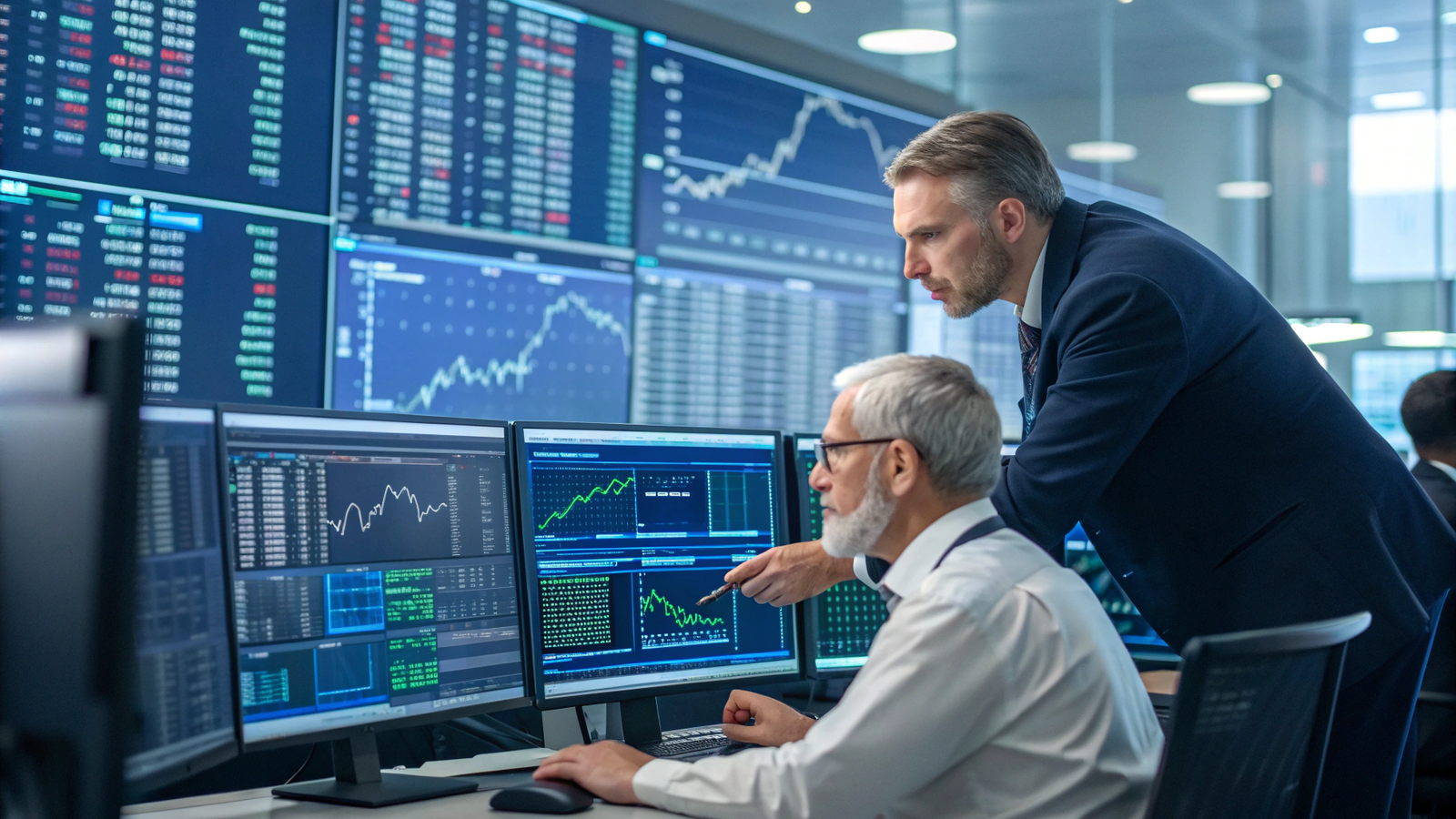
Trading technology has changed dramatically over the past decade. Artificial intelligence now handles millions of trades every day across global markets. Yet despite these advances, successful traders understand that automation works best when paired with human judgment. The question is not whether AI can replace human traders, but rather how humans and machines can work together effectively.
Human oversight in AI trading systems provides essential risk management, strategic adjustments during unusual market events, and accountability that pure automation cannot deliver. Traders who combine algorithmic execution with informed supervision typically achieve better long-term results than those relying solely on either approach.
Understanding the Limits of Automation
AI trading systems excel at processing vast amounts of data quickly. They can monitor dozens of currency pairs simultaneously, identify patterns across multiple timeframes, and execute trades in milliseconds. These capabilities far exceed what any human trader could accomplish manually.
However, algorithms operate within the parameters they were designed to follow. They analyze historical data and current market conditions based on predefined rules. When markets behave in ways that fall outside their training data, automated systems may struggle to adapt appropriately.
Consider a sudden geopolitical event that triggers unexpected volatility. An AI system might recognize the price movement and technical patterns, but it cannot understand the broader context the way a human can. It does not read news headlines, interpret central bank statements, or assess whether a market reaction seems proportional to the underlying cause.
This is where korvato trading and similar platforms emphasize the importance of user control. While automation handles execution, traders retain the ability to pause operations, adjust risk parameters, or override decisions when circumstances warrant intervention.
When Human Judgment Adds Value
The debate around human vs AI in trading often presents a false choice. The most effective approach combines the strengths of both. Certain situations specifically benefit from human oversight:
- Major news events: Elections, policy announcements, and economic surprises can create market conditions that differ significantly from historical patterns
- Technical failures: Internet outages, broker platform issues, or data feed problems require human intervention to protect capital
- Strategy evaluation: Humans must regularly assess whether current algorithms remain suitable for evolving market conditions
- Risk management: While AI can follow risk rules, humans make the final decision about appropriate exposure levels based on personal financial situations
- Ethical and regulatory considerations: Traders bear legal responsibility for their accounts regardless of automation level
Professional traders typically establish specific criteria for when they will intervene in automated systems. These might include maximum drawdown thresholds, unusual volume patterns, or correlation breakdowns between related markets.
Building Effective Hybrid Trading Systems
The concept of hybrid trading systems recognizes that neither pure discretionary trading nor complete automation represents the optimal approach for most participants. Instead, these systems divide responsibilities based on what each party does best.
AI handles the repetitive, data-intensive tasks that computers excel at. This includes monitoring multiple markets continuously, executing trades at precise price levels, maintaining consistent position sizing, and documenting every transaction. These activities require speed and accuracy without emotional interference.
Humans focus on higher-level decisions that require context, judgment, and accountability. This includes setting overall strategy parameters, determining appropriate risk levels, evaluating system performance, and making adjustments based on changing personal circumstances or market regimes.
| Function | AI Strength | Human Strength |
|---|---|---|
| Trade Execution | Speed and precision | Contextual judgment |
| Data Analysis | Processing volume | Qualitative interpretation |
| Risk Management | Consistent rule following | Adaptive decision making |
| Market Monitoring | 24/7 operation | Recognizing anomalies |
| Strategy Development | Backtesting efficiency | Creative problem solving |
This division of labor allows traders to benefit from automation without surrendering control. The system handles routine operations while humans maintain strategic oversight.
Practical Oversight Techniques
Implementing effective human oversight does not mean constantly watching charts or second-guessing every automated decision. Instead, it involves establishing clear monitoring protocols and intervention criteria.
Successful traders using AI systems typically follow these practices:
- Daily performance reviews: Check overall results, largest wins and losses, and whether the system operated within expected parameters
- Weekly strategy assessment: Evaluate whether current market conditions match the environment the algorithm was designed for
- Monthly deep analysis: Review detailed metrics including win rate, average trade duration, maximum drawdown, and correlation with major market moves
- Alert configuration: Set up notifications for specific conditions that warrant immediate attention rather than waiting for scheduled reviews
- Documentation habits: Keep records of manual interventions and their outcomes to improve future decision making
These practices create structure around oversight without requiring constant attention. Traders can benefit from automation while remaining informed about their accounts.
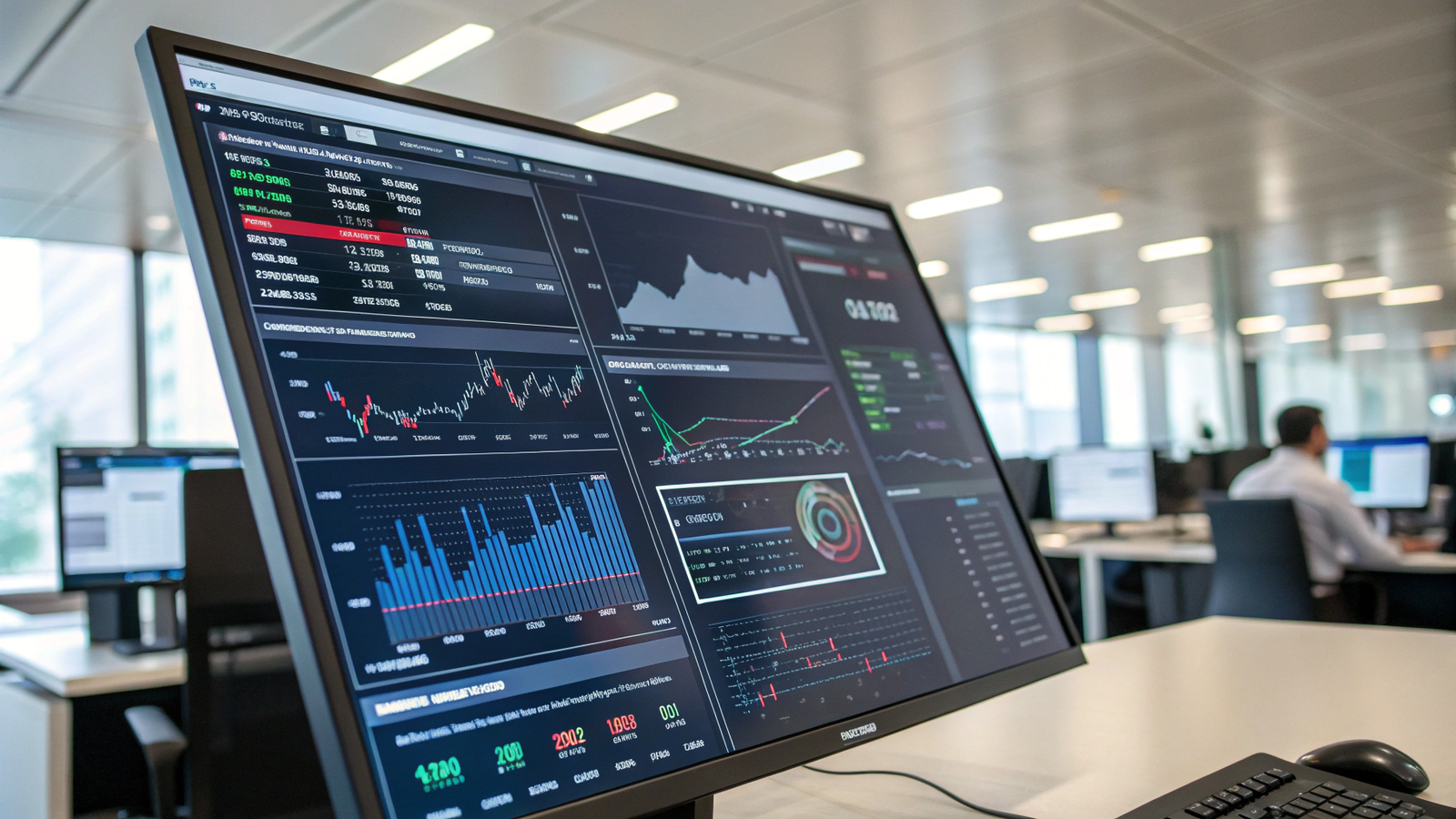
The concept of fintech innovation in this space continues evolving. Modern platforms increasingly recognize that traders want powerful automation paired with transparent controls. This means clear dashboards showing what the system is doing, easy ways to adjust parameters, and straightforward methods to pause or resume operations.
Risk Considerations and Responsible Use
All trading involves risk, and automation does not eliminate the possibility of losses. In fact, automated systems can sometimes amplify problems if left completely unsupervised during unusual market conditions.
Traders should understand several important points about AI-powered trading:
- Past performance does not guarantee future results, regardless of how sophisticated the algorithm
- No system wins on every trade or performs equally well in all market environments
- Leverage amplifies both gains and losses, requiring careful risk management
- Technical failures can occur, making backup plans and monitoring essential
- Market conditions change over time, potentially reducing the effectiveness of strategies that previously worked well
Responsible traders using automated systems maintain appropriate position sizes relative to their total capital. They understand their risk tolerance and configure systems accordingly. They also recognize that they remain fully responsible for their trading decisions, even when using automation.
Regulatory bodies worldwide have emphasized that traders cannot shift responsibility to algorithms or technology providers. Account holders bear the consequences of their trading activity regardless of whether decisions were made manually or automatically.
Finding the Right Balance
The appropriate level of human oversight varies based on individual circumstances. Factors include trading experience, available time, risk tolerance, and comfort with technology.
New traders often benefit from more active oversight as they learn how their chosen system operates. This hands-on period helps build understanding of what normal performance looks like, making it easier to recognize when something seems wrong.
Experienced traders might use lighter oversight once they have confidence in their system and clear intervention criteria. However, even professionals maintain regular monitoring routines rather than treating automation as completely hands-off.
The key is establishing a sustainable routine that provides adequate oversight without becoming burdensome. If monitoring feels overwhelming, the system may be too complex or the oversight approach may need adjustment.
Technology should serve the trader’s goals rather than creating additional stress. The best implementations feel like helpful tools rather than demanding taskmasters requiring constant attention.
Moving Forward With Confidence
AI-powered trading systems represent significant technological advancement, but they work best as sophisticated tools under informed human direction. The traders who succeed with automation typically view it as a partnership rather than a replacement for their own judgment.
By maintaining appropriate oversight, setting clear intervention criteria, and regularly evaluating performance, traders can harness the benefits of algorithmic execution while retaining meaningful control over their accounts. This balanced approach acknowledges both the capabilities and limitations of current technology.
The future of trading likely involves increasingly sophisticated AI, but human oversight will remain essential. Markets are ultimately driven by human decisions, economic realities, and unpredictable events that require contextual understanding. Successful traders will continue combining technological tools with informed judgment to navigate these complex environments.
Disclaimer: Trading involves significant risk and may result in the loss of your capital. Past performance is not indicative of future results. Korvato provides automated trading software only and does not offer financial advice or brokerage services. Always trade responsibly.