The forex market trades over $7 trillion daily, making it the largest financial market in the world. Yet most retail traders struggle to compete against institutional players who use advanced algorithms and high-speed execution systems. Korvato, a Miami-based fintech company, aims to change this dynamic by offering retail traders access to institutional-grade technology through its Optimus AI trading engine.
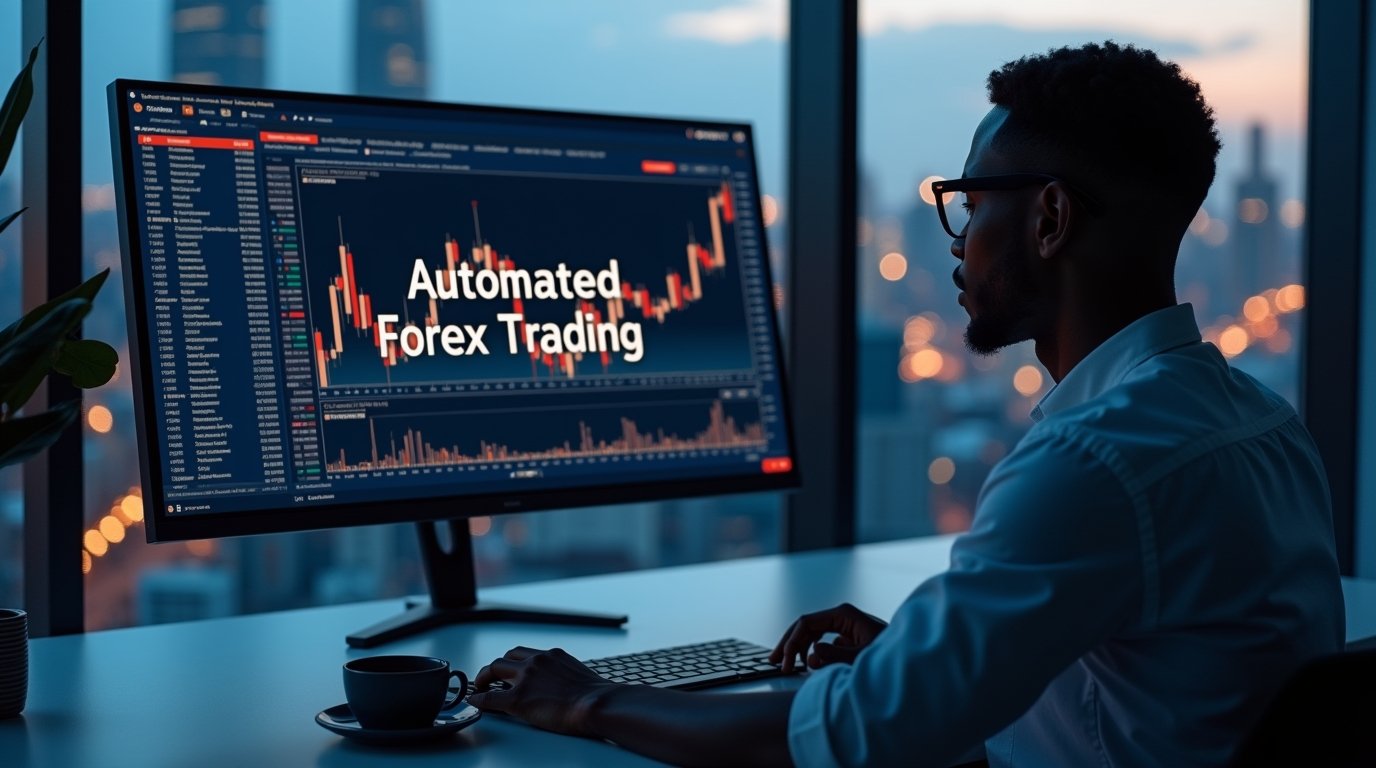
Optimus AI is an automated forex trading system that analyzes real-time market data, identifies trading opportunities, and executes trades 24/7 without human intervention. The system uses algorithmic models to monitor currency pairs, manage risk parameters, and adapt to changing market conditions while users maintain full control over their capital and account settings.
This article examines how the korvato trading bot actually works, the technology behind its operations, and what traders should understand before connecting their accounts to automated trading systems.
How Optimus AI Processes Market Data
Forex markets operate continuously from Sunday evening through Friday afternoon, creating a constant stream of price movements across dozens of currency pairs. Human traders cannot monitor these markets around the clock, but algorithmic systems can.
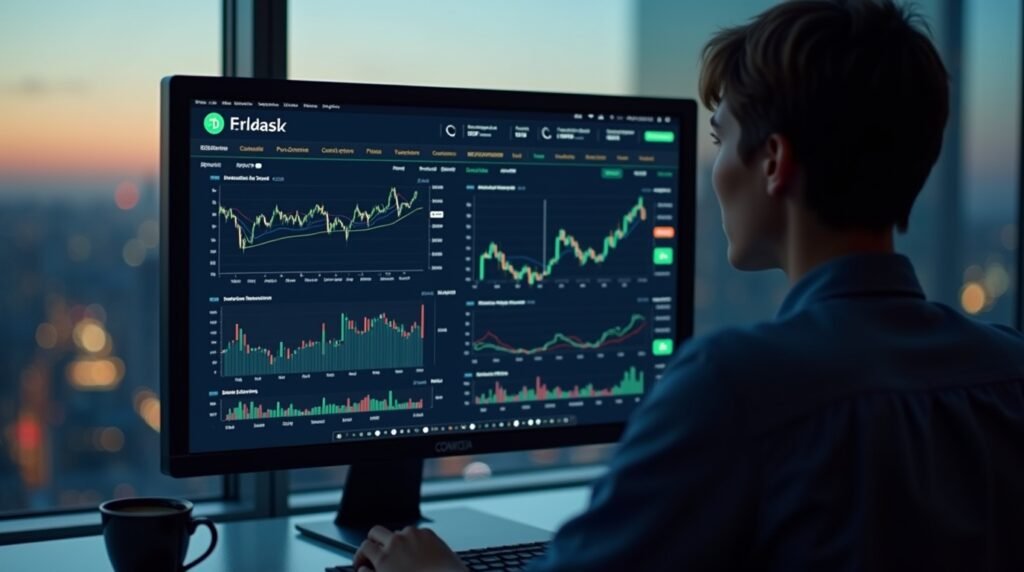
Optimus AI connects to forex market data feeds and processes information from multiple currency pairs simultaneously. The system analyzes price movements, volume patterns, and technical indicators to identify potential trading setups that match its programmed criteria.
The AI trading software operates on a systematic approach rather than emotional decision-making. When market conditions align with its algorithmic parameters, the system generates trade signals and can execute positions automatically if users have enabled that function.
Key data inputs the system monitors include:
- Real-time bid and ask prices across major and minor currency pairs
- Trading volume and liquidity metrics
- Historical price patterns and trend indicators
- Volatility measurements and market momentum signals
- Economic calendar events that may impact currency values
The system processes this information continuously, updating its analysis as new data arrives. This allows Optimus AI to respond to market changes faster than manual traders who must monitor charts and make decisions individually.
The Algorithmic Strategy Framework
Every trading system follows a strategy, whether discretionary or algorithmic. Optimus AI uses a rules-based approach where specific conditions must be met before the system initiates a trade.
The forex algorithm incorporates multiple analytical layers. Technical analysis forms the foundation, examining price charts and indicator readings to determine market direction and momentum. The system identifies support and resistance levels where prices have historically reversed or consolidated.
Risk management parameters are built into every trade decision. Before executing a position, the algorithm calculates potential risk exposure based on user-defined settings. This includes determining appropriate position sizes relative to account balance and setting stop-loss levels to limit potential losses on individual trades.
The system adapts to different market conditions rather than applying the same approach regardless of circumstances. During high-volatility periods, the algorithm may adjust position sizes or widen stop-loss distances. In low-volatility environments, it may modify its entry criteria to avoid false signals.
Trading strategies typically fall into several categories:
- Trend-following approaches that identify and trade in the direction of established price movements
- Mean-reversion strategies that anticipate prices returning to average levels after extreme moves
- Breakout systems that enter positions when prices move beyond defined technical levels
- Range-trading methods that buy at support and sell at resistance within established boundaries
Optimus AI combines elements from multiple strategy types rather than relying on a single approach. This diversification helps the system function across different market environments.
Trade Execution and Speed Advantages
Identifying trading opportunities represents only half the equation. Execution speed determines whether traders actually capture the prices they target or experience slippage that erodes potential profits.
Institutional traders invest heavily in low-latency connections and co-location services that place their servers physically near exchange infrastructure. This reduces execution time from seconds to milliseconds, providing a significant edge in fast-moving markets.
Korvato’s system connects directly to forex liquidity providers through electronic communication networks. When Optimus AI generates a trade signal, it transmits orders electronically without requiring human input to click buttons or confirm entries.
This automated execution provides several practical advantages:
- Orders reach the market in milliseconds rather than the seconds required for manual entry
- The system can manage multiple positions across different currency pairs simultaneously
- Trades execute at any time, including during overnight sessions when most retail traders sleep
- Emotional factors like fear or greed do not interfere with executing the planned strategy
Speed matters particularly during high-impact economic releases when currency prices can move dramatically within seconds. Manual traders often struggle to enter positions at favorable prices during these volatile periods, while algorithmic systems react immediately to new market conditions.
Risk Management and User Control Features
Automated trading systems must incorporate robust risk controls to protect user capital. Without proper safeguards, algorithmic trading can amplify losses just as easily as it might generate profits.
Users who korvato invest maintain full control over their brokerage accounts and capital. The system does not take custody of user funds. Instead, it connects to existing brokerage accounts through secure API connections that allow trade execution but not fund withdrawals.
Before activating the system, users configure risk parameters that govern how the algorithm operates:
- Maximum position size as a percentage of account balance
- Maximum number of simultaneous open positions
- Daily loss limits that pause trading if reached
- Currency pairs the system can trade
- Trading hours when the system is active or inactive
These settings create boundaries within which the algorithm operates. If daily losses reach the specified threshold, the system stops opening new positions until the next trading day. This prevents a single bad trading session from causing catastrophic account damage.
Stop-loss orders accompany every position the system opens. These orders automatically close trades if prices move against the position by a predetermined amount. While stop-losses cannot guarantee exact exit prices during extremely volatile conditions, they provide essential protection against unlimited losses.
Users can modify risk settings, pause the system, or manually close positions at any time. This flexibility allows traders to maintain oversight while benefiting from automated execution.
Performance Considerations and Realistic Expectations
Understanding what automated trading systems can and cannot do requires realistic expectations grounded in market realities rather than promotional claims.
All trading involves risk, and algorithmic systems do not eliminate that fundamental reality. The forex market is highly competitive, with institutional players, hedge funds, and sophisticated traders all competing for the same opportunities. No system wins on every trade or generates consistent profits in all market conditions.
When evaluating korvato results, traders should consider several important factors:
- Past performance does not predict future results, as market conditions constantly change
- Backtested results may not reflect actual trading outcomes due to execution differences and market impact
- Drawdown periods where the system experiences losses are normal and should be expected
- Different market environments favor different trading strategies, so performance varies over time
Algorithmic systems provide advantages in execution speed, emotional discipline, and continuous market monitoring. However, they cannot predict future price movements with certainty or eliminate market risk.
Traders should only allocate capital they can afford to lose and should understand that losses are possible regardless of the technology employed. Diversification across multiple strategies, asset classes, and approaches remains important even when using automated systems.
The regulatory environment for forex trading varies by jurisdiction. In the United States, forex brokers must register with the Commodity Futures Trading Commission and National Futures Association. Traders should verify that their chosen broker operates under proper regulatory oversight.
Technology Infrastructure and System Reliability
Automated trading systems depend entirely on technical infrastructure functioning properly. Internet connections, server uptime, data feeds, and broker connectivity all must work correctly for the system to operate as designed.
Korvato operates its Optimus AI system on cloud-based infrastructure designed for reliability and redundancy. This approach provides several benefits compared to software running on individual trader computers:
- The system continues operating even if the user’s personal computer is turned off
- Cloud servers typically have backup power and redundant internet connections
- Updates and maintenance occur on the central system without requiring user action
- Multiple users can access the same institutional-grade infrastructure
However, technical issues can still occur. Internet outages, broker server problems, or data feed disruptions may temporarily prevent the system from functioning normally. Users should understand these technical dependencies and monitor their accounts regularly rather than assuming the system operates perfectly without oversight.
Security represents another critical consideration. API connections that allow trading systems to execute orders require proper authentication and encryption. Users should enable two-factor authentication on their brokerage accounts and regularly review account activity to detect any unauthorized access.
Making Informed Decisions About Algorithmic Trading
Automated trading technology has become increasingly accessible to retail traders, but accessibility does not eliminate the need for education and careful decision-making.
Before connecting any automated system to a live trading account, traders should thoroughly understand how the system works, what risks it carries, and whether it aligns with their financial goals and risk tolerance. Starting with smaller capital allocations allows traders to evaluate system performance and their own comfort level before committing larger amounts.
Questions traders should answer before using algorithmic trading systems include:
- Do I understand the strategy the system uses and why it might work or fail?
- Can I afford to lose the capital I plan to allocate to this system?
- Have I verified that my broker is properly regulated and has good execution quality?
- Do I know how to modify risk settings and pause the system if needed?
- Am I prepared for drawdown periods where the system experiences losses?
Algorithmic trading represents a tool, not a guaranteed path to profits. Like any tool, its effectiveness depends on proper use, realistic expectations, and understanding its limitations. The technology provides advantages in execution and discipline, but cannot eliminate the inherent risks present in currency trading.
Traders maintain responsibility for their investment decisions, including the choice to use automated systems and how much capital to allocate. Education, careful risk management, and ongoing monitoring remain essential regardless of whether trades are executed manually or algorithmically.
Final Thoughts on Automated Forex Trading
Optimus AI represents Korvato’s attempt to provide retail traders with institutional-quality trading technology. The system offers real advantages in execution speed, emotional discipline, and continuous market monitoring that individual traders struggle to match manually.
However, technology alone does not guarantee trading success. Market conditions change, strategies that worked previously may stop working, and losses are an inevitable part of trading regardless of the methods used. Traders should approach algorithmic systems with realistic expectations, proper risk management, and ongoing education about how markets function.
The forex market remains highly competitive and risky. Automated systems provide tools to compete more effectively, but they do not eliminate risk or ensure profits. Careful evaluation, appropriate capital allocation, and realistic expectations remain essential for anyone considering algorithmic trading approaches.