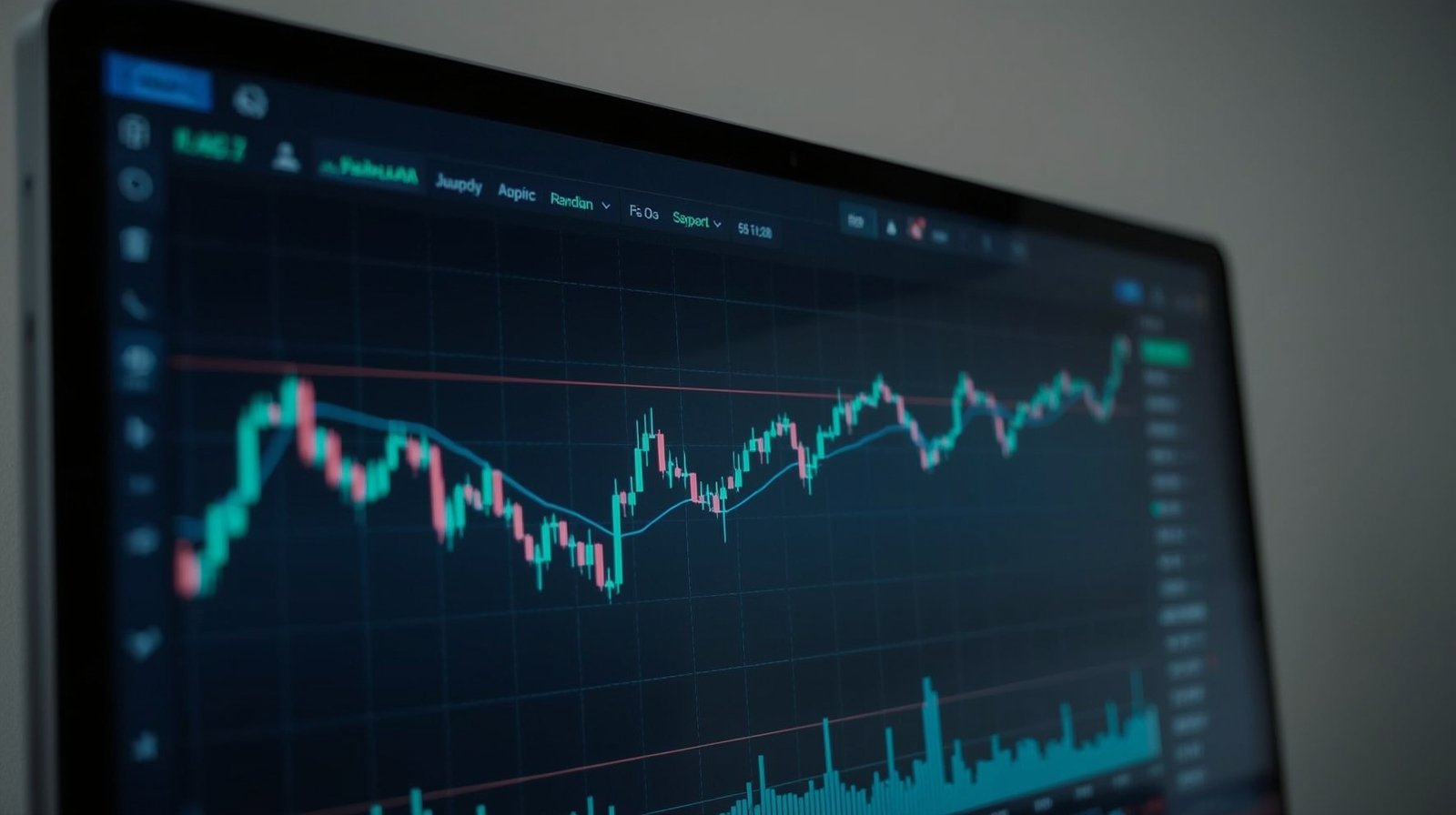

The financial advice industry is changing rapidly. Technology now handles tasks that once required a human advisor sitting across from you at a desk. Automated platforms manage portfolios, rebalance investments, and optimize tax strategies without human intervention. This shift raises an important question for everyday investors: can artificial intelligence truly replace the personal guidance of a financial advisor?
AI cannot fully replace financial advisors for complex situations, but it excels at automating routine investment tasks. Robo-advisors handle portfolio management efficiently at lower costs, while human advisors provide personalized planning for major life events, estate planning, and emotional guidance during market volatility.
What AI and Robo-Advisors Actually Do
Robo-advisors are automated investment platforms that use algorithms to build and manage portfolios. These digital finance tools ask questions about your age, income, risk tolerance, and investment timeline. Based on your answers, they create a diversified portfolio of low-cost index funds or exchange-traded funds.
The technology handles several key tasks automatically:
- Portfolio rebalancing when your asset allocation drifts from target percentages
- Tax-loss harvesting to minimize capital gains taxes
- Automatic dividend reinvestment
- Regular deposits and withdrawals
- Basic retirement planning calculations
Major platforms like Betterment, Wealthfront, and Charles Schwab Intelligent Portfolios manage billions in assets using these automated systems. They typically charge between 0.25% and 0.50% annually, which is significantly less than traditional advisors who often charge 1% or more.
More advanced systems go beyond simple portfolio management. AI investing platforms analyze market data, identify patterns, and execute trades based on complex algorithms. Companies focused on algorithmic trading have developed systems that process information faster than any human could. For example, platforms offering AI-driven trading technology can monitor global currency markets continuously and respond to opportunities in milliseconds.

Where Human Advisors Still Have the Edge
Financial advisors bring something algorithms cannot replicate: human judgment for complex situations. While robo-advisors excel at straightforward investment management, they struggle with nuanced financial planning that requires understanding your full life situation.
Human advisors provide value in several areas:
- Coordinating complex financial situations involving multiple income sources, businesses, or properties
- Estate planning that considers family dynamics and generational wealth transfer
- Insurance needs analysis that accounts for your specific risks and coverage gaps
- College funding strategies that balance saving for education with retirement goals
- Emotional coaching during market downturns when fear drives poor decisions
The emotional component matters more than many people realize. During the 2020 market crash, human advisors prevented countless clients from selling at the bottom. A robo-advisor cannot call you to explain why staying invested makes sense or talk you through your fears about retirement.
Tax planning represents another area where human expertise adds value. While robo-advisors handle basic tax-loss harvesting, a qualified advisor can coordinate investment decisions with your overall tax strategy, including Roth conversions, charitable giving, and business income optimization.
The Hybrid Approach: Best of Both Worlds
Many investors are finding that combining technology with human advice works better than choosing one or the other. This hybrid model uses automated tools for routine tasks while preserving access to human advisors for complex decisions.
Vanguard Personal Advisor Services pioneered this approach. They use algorithms to manage portfolios but provide access to human advisors for financial planning. The service charges 0.30% annually, which falls between pure robo-advisors and traditional advisors.
This middle ground makes sense for investors who want efficiency without sacrificing personalized guidance. You get low-cost portfolio management plus someone to call when you need to discuss a job change, inheritance, or major purchase.
Technology can also enhance your investing through specialized tools. Those interested in specific markets might explore platforms that use artificial intelligence for targeted strategies. Traders looking to korvato invest in currency markets can access institutional-grade algorithms that were previously available only to large financial firms.
| Approach | Best For | Typical Cost | Main Advantage |
|---|---|---|---|
| Robo-Advisor | Simple portfolios, young investors | 0.25% – 0.50% | Low cost, automated efficiency |
| Human Advisor | Complex situations, high net worth | 1.00% – 2.00% | Personalized planning, emotional support |
| Hybrid Model | Moderate complexity, growing wealth | 0.30% – 0.80% | Automation plus human access |
| AI Trading Tools | Active traders, specific markets | Varies by platform | Speed, data analysis, 24/7 monitoring |
Making the Right Choice for Your Situation
Your ideal solution depends on your financial complexity, investable assets, and comfort with technology. No single approach works for everyone.
Consider a robo-advisor if you:
- Have straightforward finances with W-2 income and standard retirement accounts
- Want to minimize costs and are comfortable with technology
- Need basic portfolio management without extensive planning
- Have less than $500,000 in investable assets
A human advisor makes more sense if you:
- Own a business or have complex income sources
- Need estate planning that involves trusts or multi-generational wealth transfer
- Want someone to coordinate your investments, taxes, and insurance
- Value having a relationship with someone who knows your full financial picture
The hybrid approach works well if you:
- Want low-cost automation for daily portfolio management
- Occasionally need human guidance for major decisions
- Have moderate complexity in your financial life
- Prefer having a backup option when questions arise
For investors interested in more active strategies, specialized AI investing platforms offer different capabilities than traditional robo-advisors. These systems focus on identifying trading opportunities rather than passive portfolio management. Platforms that provide algorithmic trading technology operate continuously across global markets, which can be valuable for those who want to participate in forex or other 24-hour markets.
What the Future Likely Holds
The distinction between human and AI advice will continue to blur. Artificial intelligence will handle more complex tasks, while human advisors will focus on areas requiring judgment and emotional intelligence.
We are already seeing this evolution. Natural language processing allows chatbots to answer basic financial questions. Machine learning improves at predicting which investment strategies suit different personalities. Advanced algorithms can now factor in multiple goals simultaneously when building portfolios.
However, technology has limits. AI cannot fully understand your values, family dynamics, or the emotional weight of financial decisions. A computer cannot grasp why you want to leave money to one child but not another, or why you would accept lower returns to avoid investing in certain industries.
The most likely outcome is not replacement but specialization. Robo-advisors will continue improving at portfolio management, making basic investing cheaper and more accessible. Human advisors will increasingly focus on comprehensive financial planning, complex situations, and relationship management. Many investors will use both, choosing tools based on specific needs.
Those exploring digital finance tools for trading will find growing options as technology advances. The key is understanding what each tool does well and where human judgment remains valuable.
Finding Your Path Forward
AI and robo-advisors have permanently changed investing by making portfolio management accessible and affordable. These tools handle routine tasks efficiently and remove emotional bias from investment decisions. They work well for straightforward situations and cost-conscious investors.
Human advisors remain valuable for complex planning, personalized strategies, and emotional support during difficult markets. They excel when your financial life involves multiple moving pieces that require coordination and judgment.
Rather than asking whether AI can replace financial advisors, ask which combination of tools and human guidance fits your specific situation. Your answer will likely change as your wealth grows and your life becomes more complex. Start with what makes sense now, and adjust as your needs evolve. The goal is not choosing between technology and humans, but using both effectively to reach your financial goals.
Remember that all investing carries risk, whether managed by algorithms or humans. Past performance never guarantees future results. Take time to understand any platform or advisor before committing your money, and ensure your approach matches your risk tolerance and investment timeline.
Disclaimer: Trading involves significant risk and may result in the loss of your capital. Past performance is not indicative of future results. Korvato provides automated trading software only and does not offer financial advice or brokerage services. Always trade responsibly.